Must see sky events above Iceland in 2026
A total solar eclipse, a deep partial lunar eclipse and stunning conjunctions of the Moon and planets can be seen in the sky above Iceland in 2026
2026 is a highly anticipated year for Icelandic stargazers. The main event is the August 12, 2026 total solar eclipse followed by a very deep partial lunar eclipse couple of weeks later. In November, bright planets, stars and the Moon decorate the morning sky.
Full Moon in 2026
The Moon is full 13 times in 2026, twice in May. Timings displayed in GMT.
- January 3, 10:03 – Third nearest full Moon of the year, 362 313 km from Earth, close to Jupiter that evening
- February 1, 22:09
- March 3, 11:38 – Total lunar eclipse visible in North America and the Pacific, not visible from Iceland
- April 2, 02:12
- May 1, 17:23
- May 31, 08:45 - "Blue Moon" - second full moon of the same month
- June 29, 23:57
- July 29, 14:36
- August 28, 04:18 - Partial lunar eclipse
- September 26, 16:49
- October 26, 04:12
- November 24, 14:53 - "Supermoon", second nearest full moon of 2026, 360 768 km from Earth
- December 24, 01:28 - "Supermoon", nearest and largest full moon of 2026, 356 740 km from Earth. In perigee at 08:30 in the morning.
Equinoxes and solstices
- Vernal equinox: March 20, 14:46
- Summer solstice: June 21, 08:25
- Autumnal equinox: September 23, 00:06
- Winter solstice: December 21, 20:50
Earth nearest to and furthest from Sun
- Perihelion: January 3, 17:16 – 147 099 894 km from Sun
- Aphelion: July 6, 17.:31 – 152 087 774 km from Sun
Solar and lunar eclipses
- February 17: Annular solar eclipse, only visible from Antarctica
- March 3: Total lunar eclipse, visible from North-America and the Pacific
- August 12: Total solar eclipse, visible from Iceland
- August 28: Partial lunar eclipse, visible from Iceland
January 3: Moon and Jupiter

The year starts with a beautiful conjunction of the Moon and Jupiter on Saturday evening, January 3rd. Next to the Moon are Castor and Pollux in Gemini, the Twins. With a telescope, the four Galilean satellites of Jupiter are all visible on the same side.
These heavenly dates of Moon and Jupiter repeat monthly until the spring: On January 31st, February 27th, March 27th and April 23rd. Look for them then low in northeast. Absolutely stunning!
August 12: Total solar eclipse
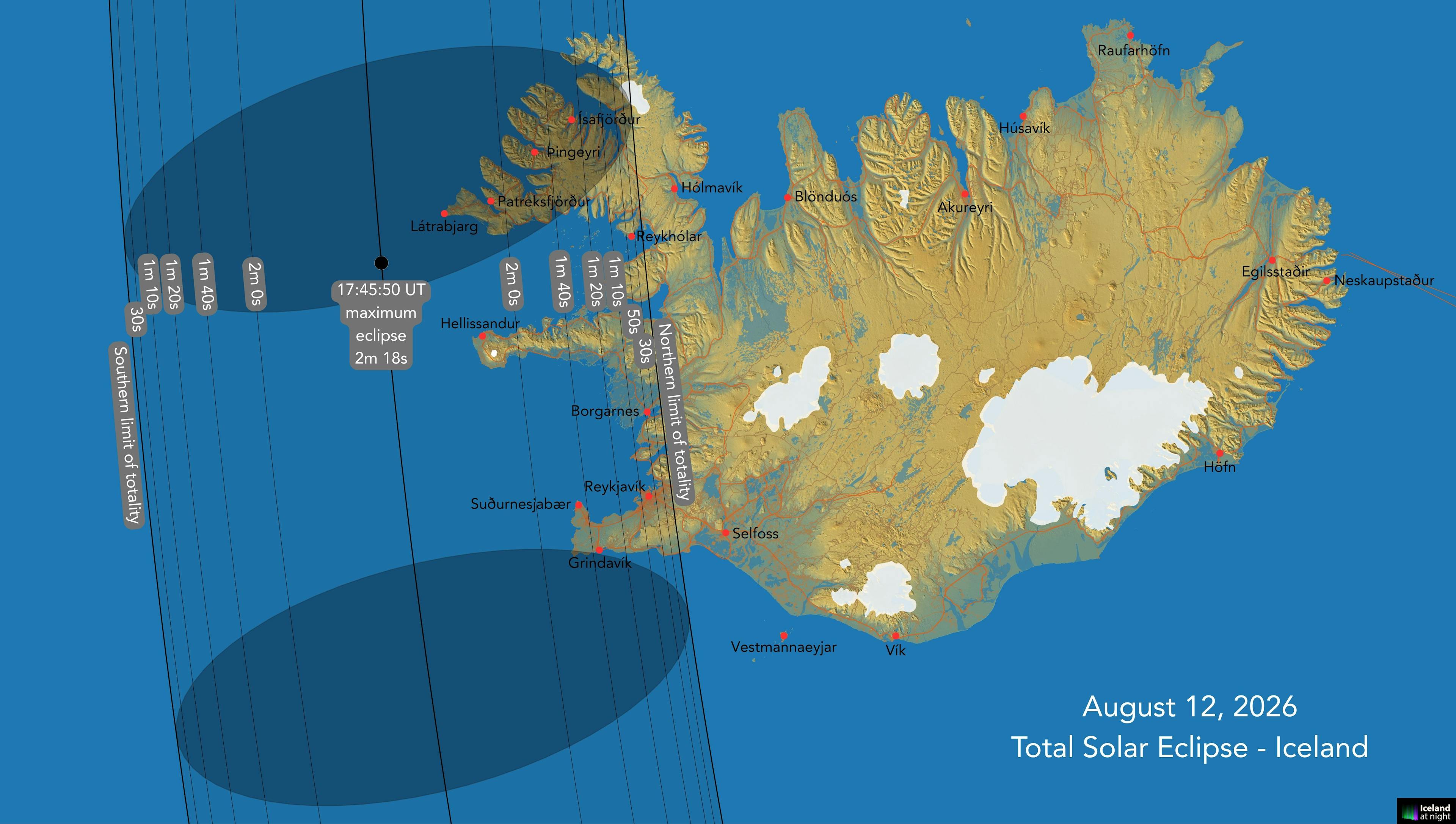
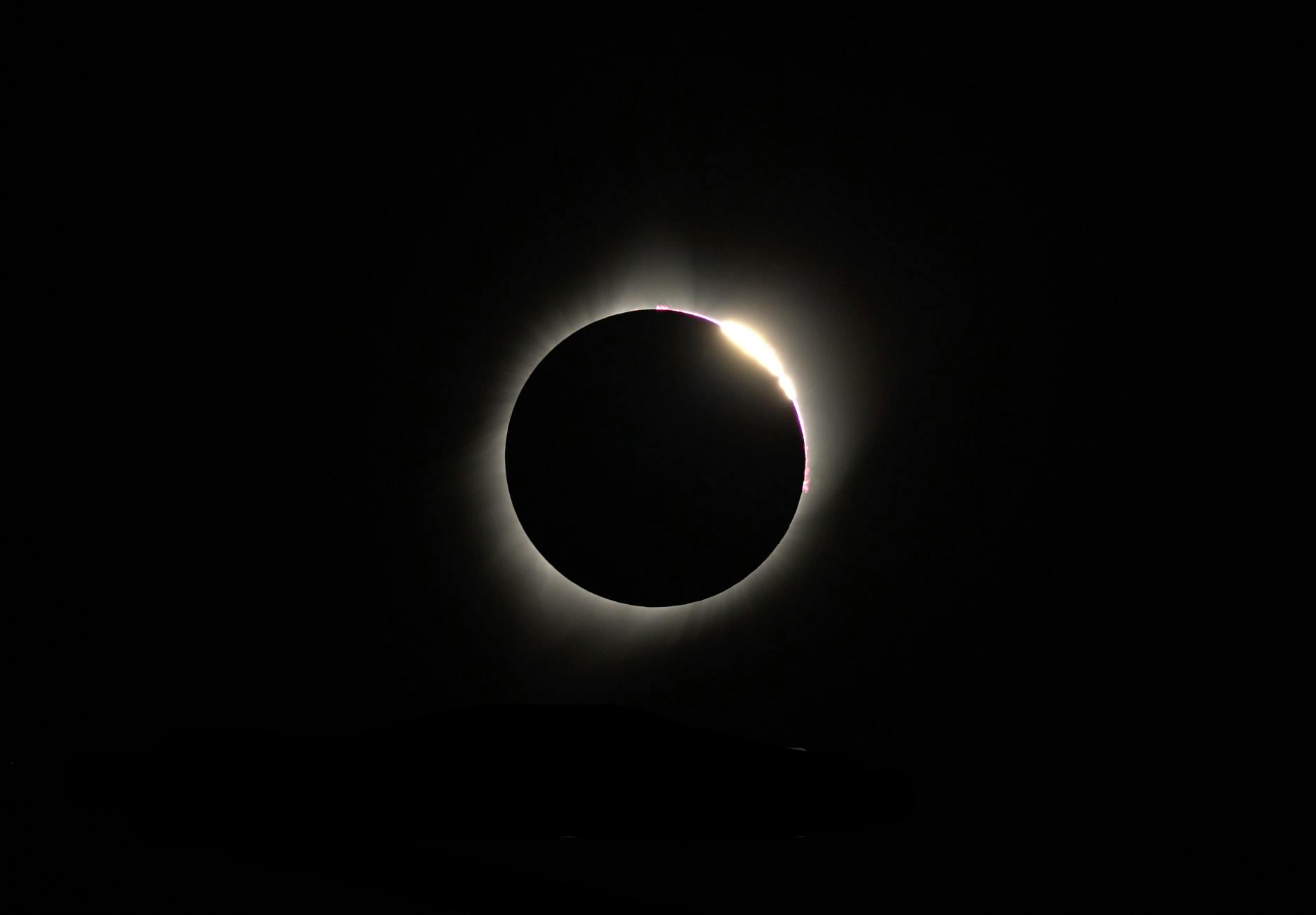
On August 12th, 2026, nature's most spectacular sight, a total solar eclipse, will be visible from Iceland. The path of totality lies over the Westfjords, Snæfellsnes peninsula, Reykjavík area and the Reykjanes peninsula. A very deep partial eclipse can be experienced east of the path.
In Reykjavík, the sun is totally eclipse for roughly one minute, between 17:48 and 17:49. You can find exact timings, maps and other information on our eclipse site, eclipse2026.is.
On the same evening, the Perseid meteor shower peaks. Even though the sky never gets truly dark, few tens of shooting stars can be seen during the darkest time of the night around and shortly after midnight. Mid-August also marks the end of the noctilucent cloud season and the early beginning of the aurora season.
Visit eclipse2026.is for more information.
August 28: Deep partial lunar eclipse
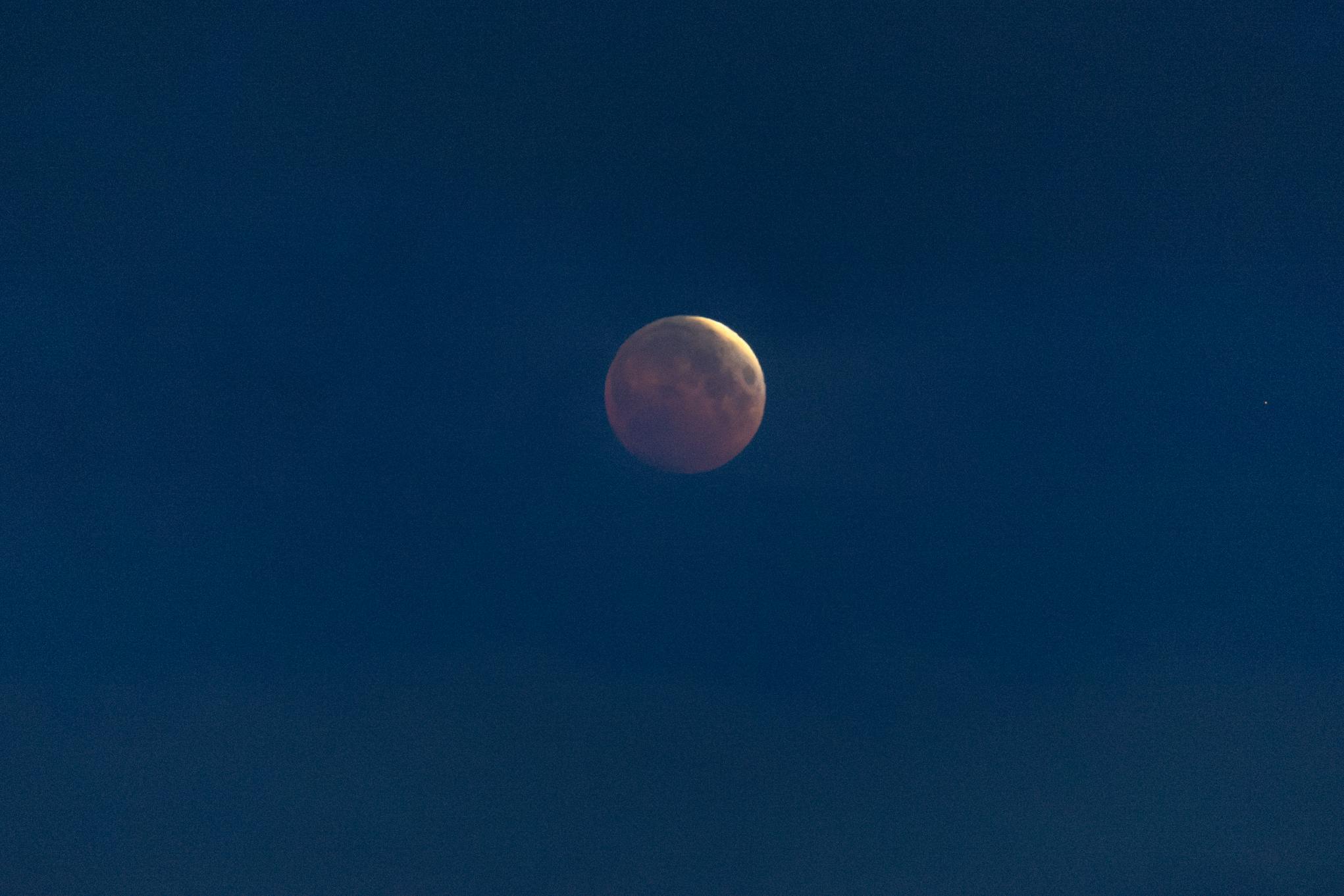
In the early morning hours of August 28th, two weeks after the total solar eclipse, a deep partial lunar eclipse can be see. Roughly 93% of the lunar disc will be within Earth's umbra with only the northernmost part of the Moon outside of it. Maximum eclipse is at 04:12 in the morning.
More info on the August 28, 2026 partial lunar eclipse.
October 5: The Moon near Mars and Messier 44, the Beehive
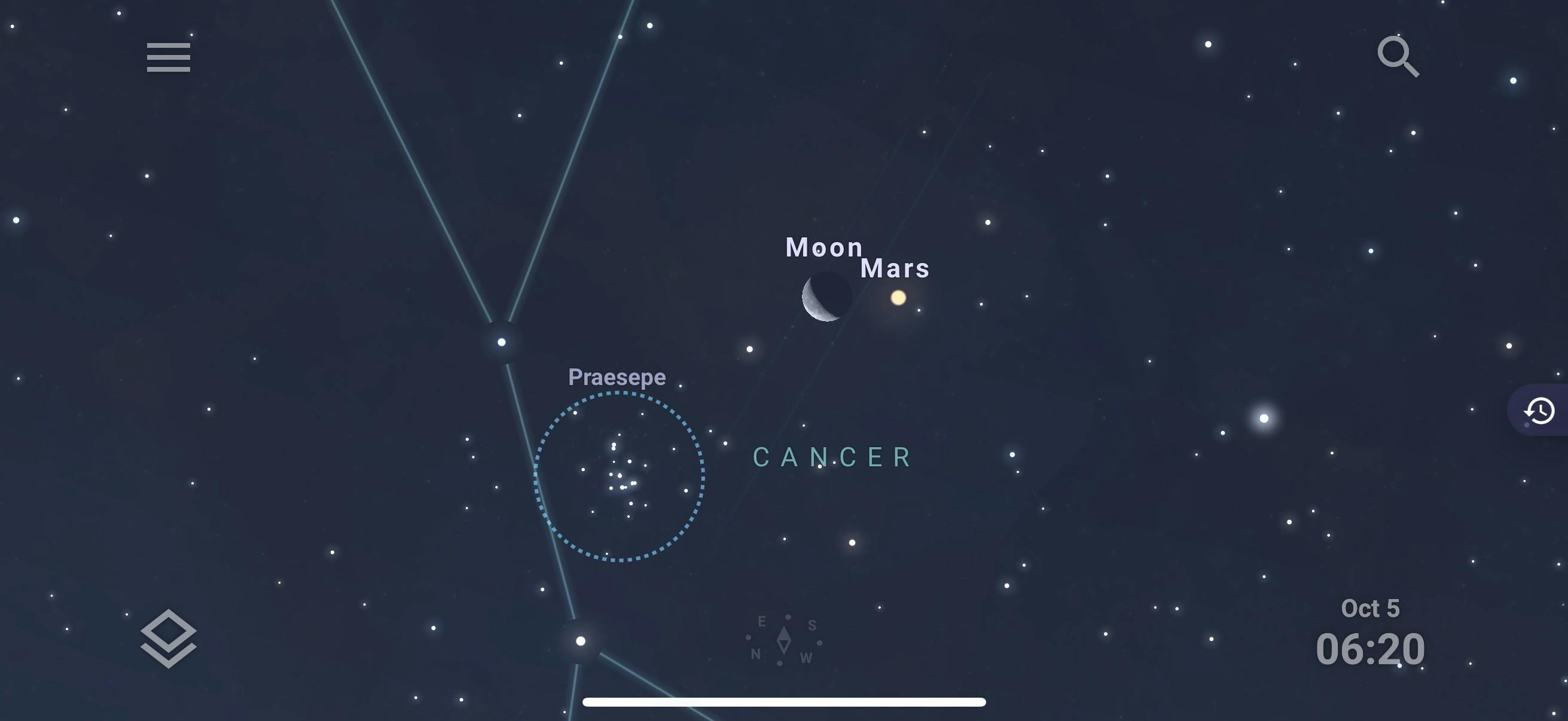
Early bird gets the worm on Monday, October 5. A waning crescent Moon hovers near Mars and the Messier 44 open cluster, also known as the Beehive, in the constellation of Cancer. Binoculars are just perfect to view the spectacle.
The morning after (October 6), the Moon will be next Jupiter and Regulus in Leo on October 7.
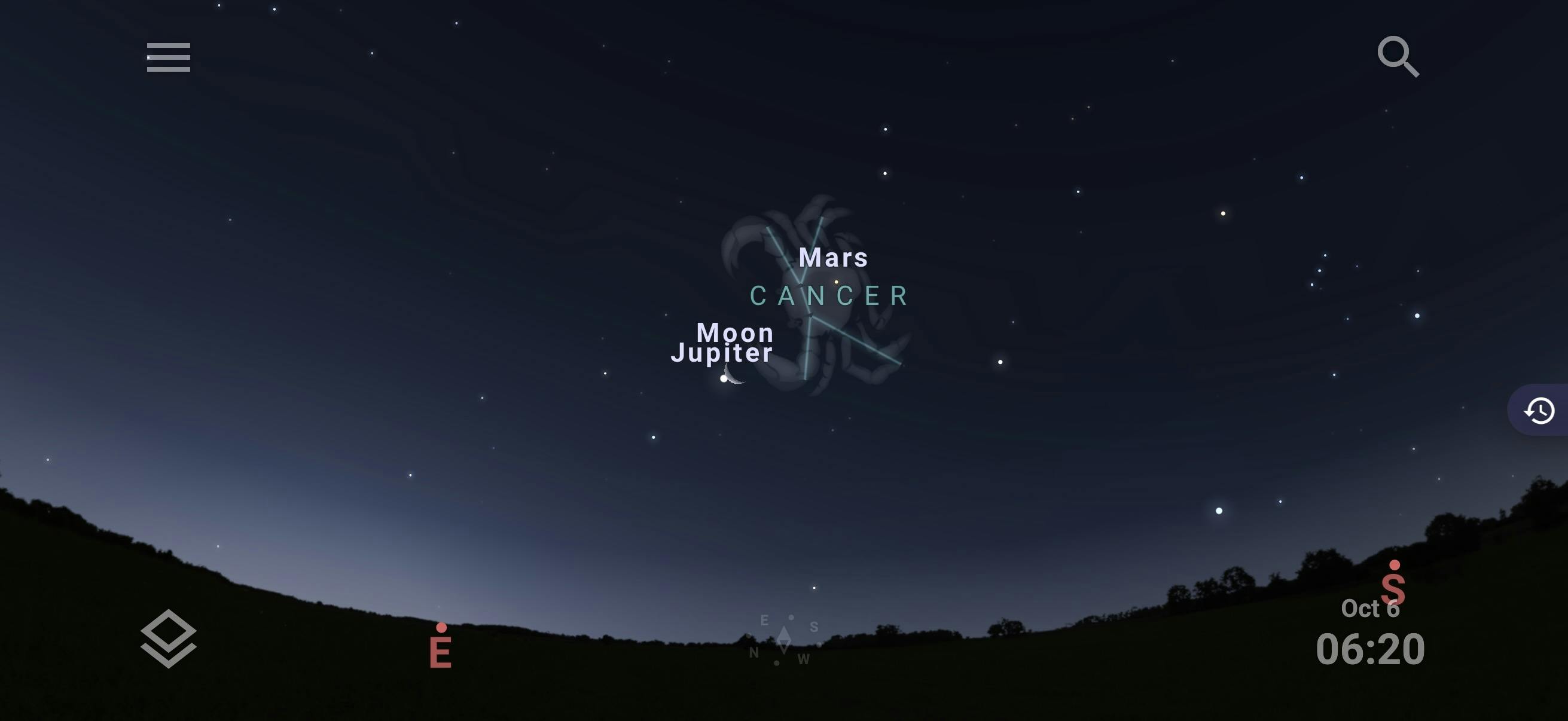
November: Mars, Jupiter, Venus and the Moon dance in the morning sky
The morning sky in November is especially interesting as brilliant Mars, Jupiter and Venus are joined by the Moon for a fantastic celestial dance. Mars and Jupiter are in Leo but Venus lower in Virgo.

In the mornings of November 2nd and 3rd, the waning crescent Moon, Mars, Jupiter and Regulus, the brightest star in Leo, form a wonderful line high in the southern sky around 8 am.
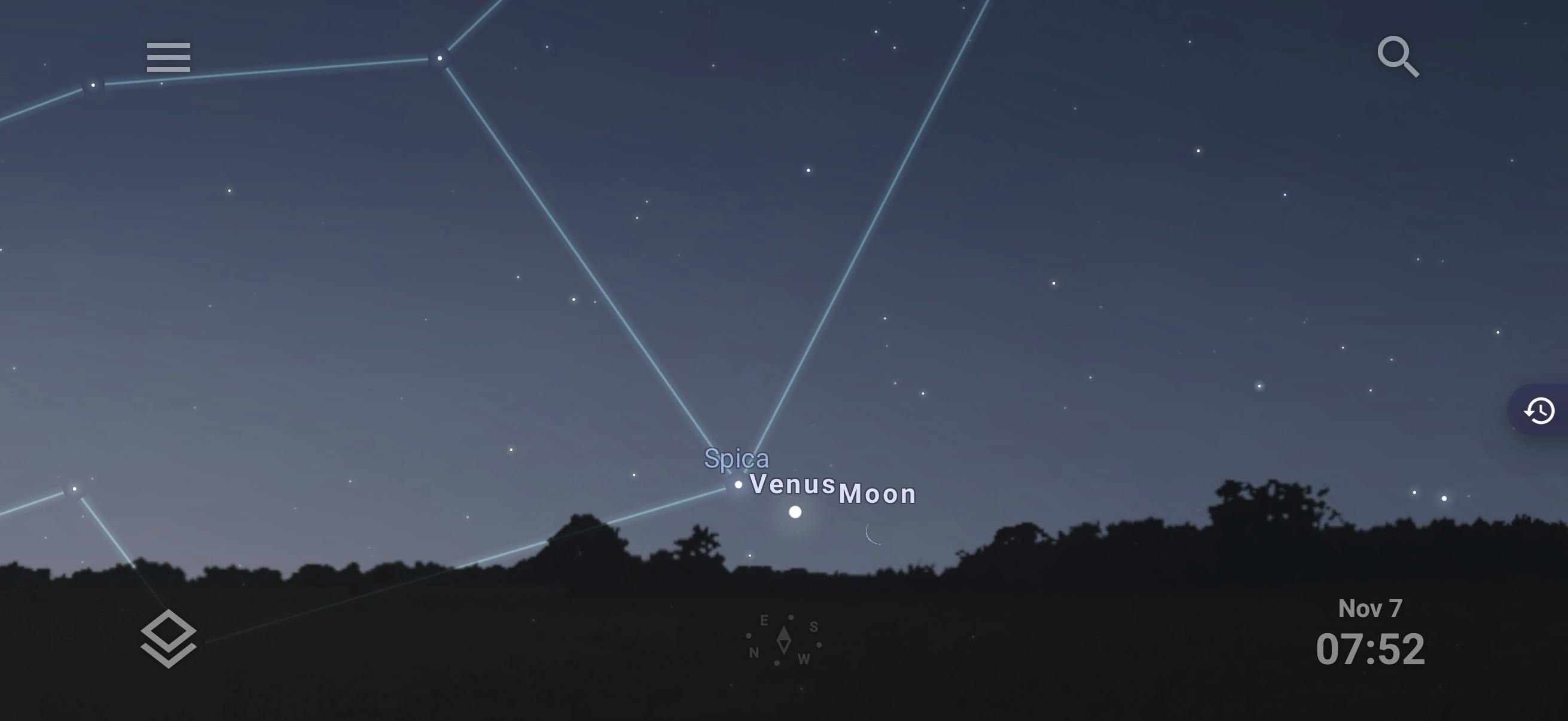
In the morning of November 7, Venus, the Moon and Spica, Virgo's brightest star, form a tight group. These heavenly bodies are very low in southeast and best observed around 8 am. Make sure neither mountains nor buildings block the view.
Venus climbs higher in the sky and moves further away from Spica. Around November 15, the group is joined by Mercury, also very close to the horizon.
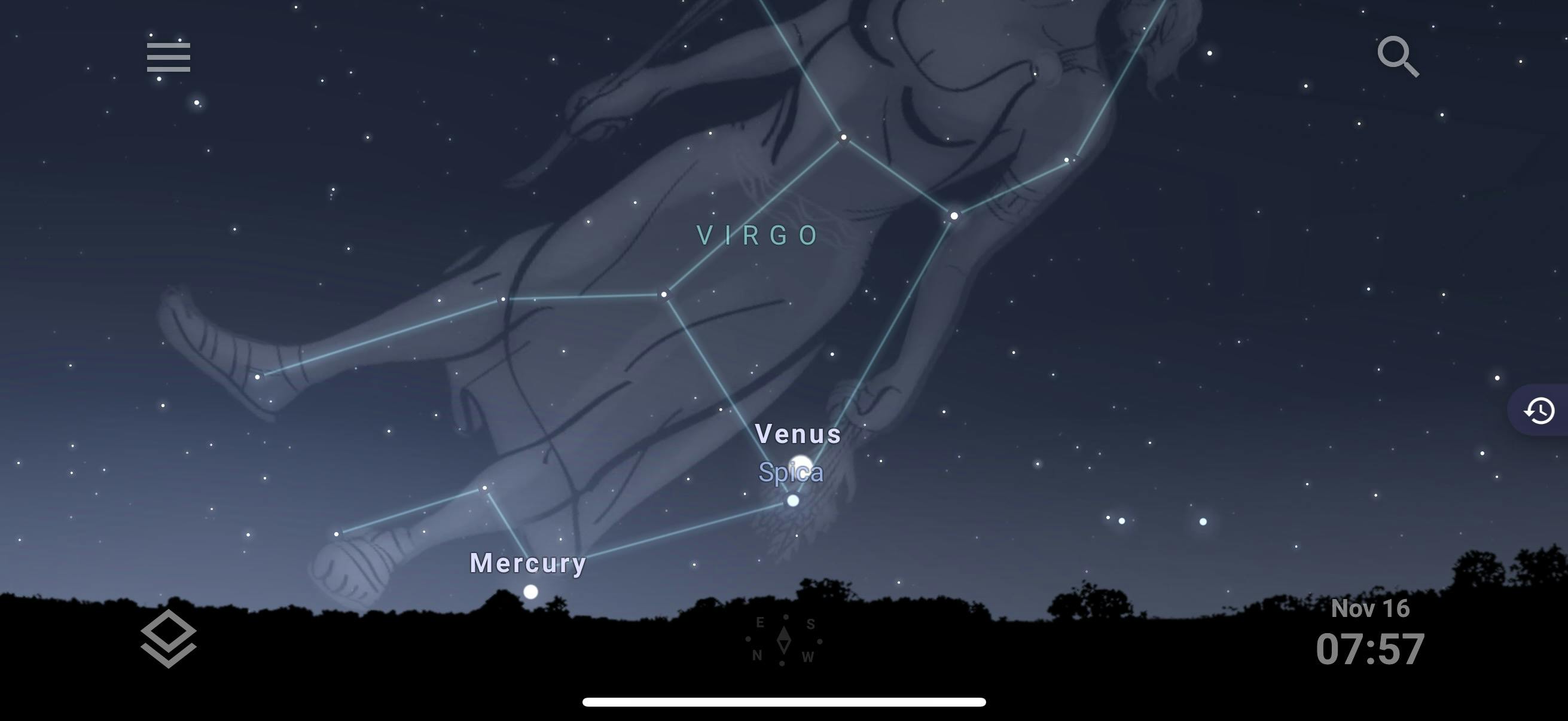
Mars moves closer to Jupiter next few nights while the Moon lowers and approaches Venus. The gap between Mars and Jupiter is smallest on Monday morning of November 16, with only one degree between the two. Point a wide field telescope at the duo. Gorgeous!
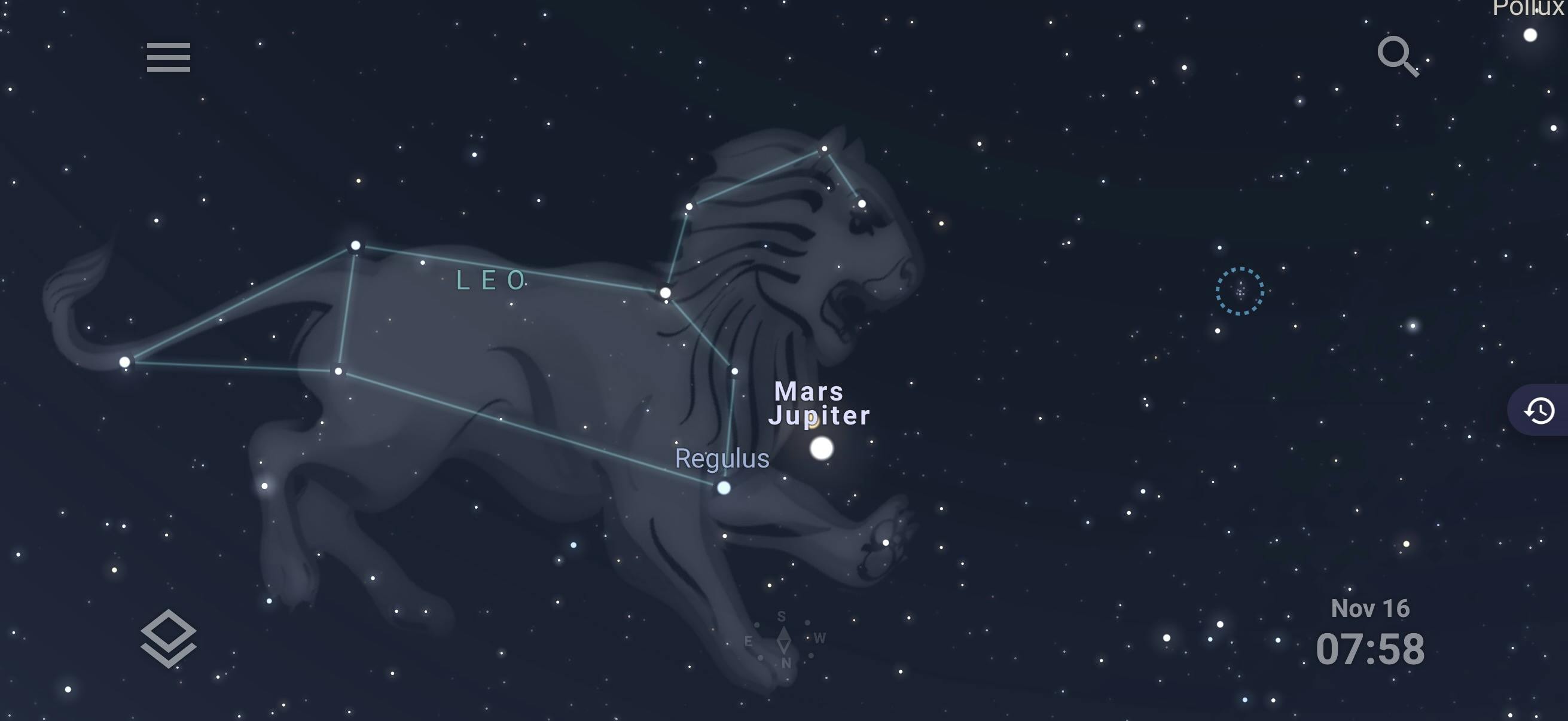
The Moon's rendezvous with Mars, Jupiter and Regulus repeats on November 30. And in the mornings of December 4 and 5, the Moon links up with Venus and Spica.
Major meteor showers
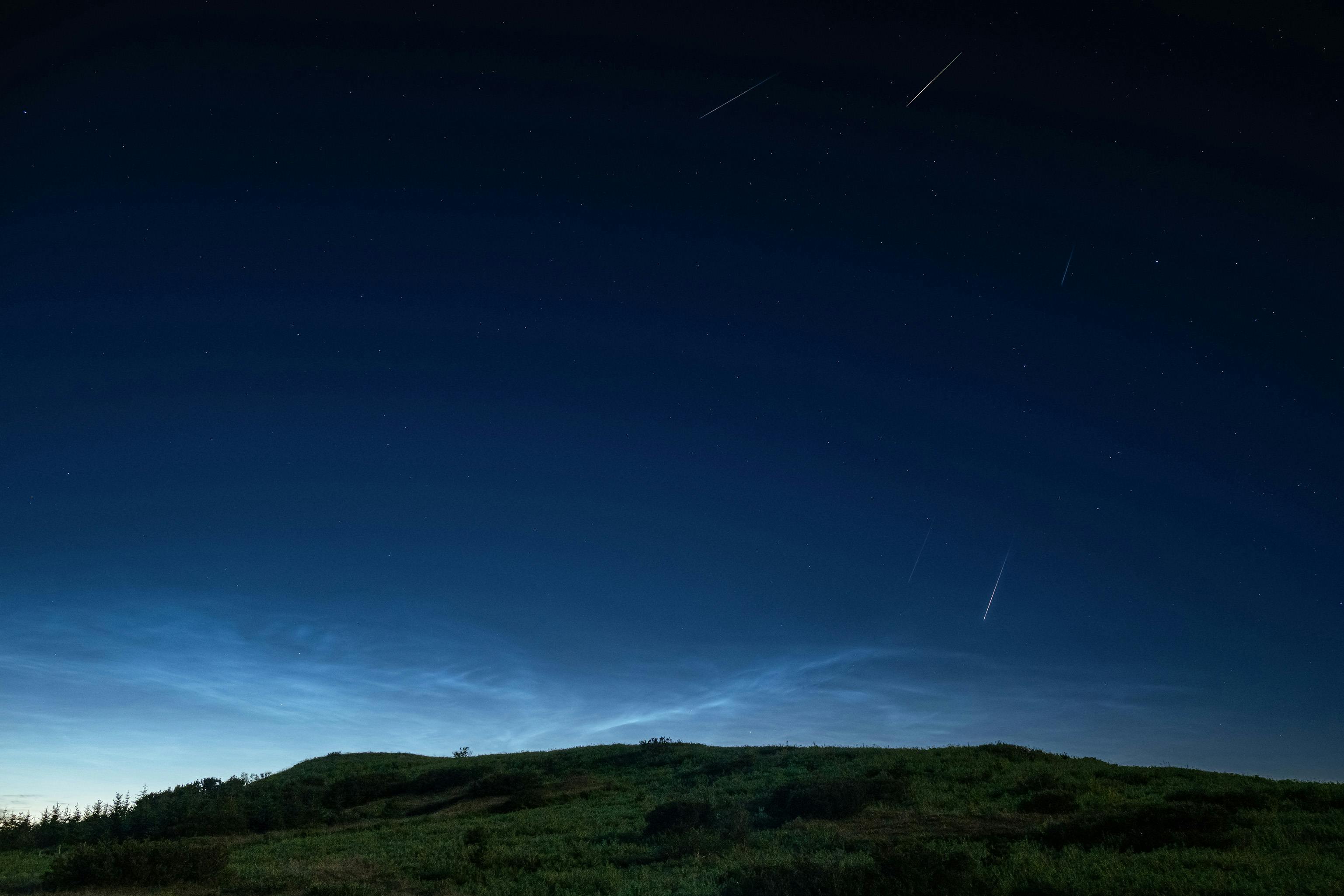
- Quadrantids, January 3-4 – The full Moon has a major effect on the number of visible meteors. Expect to see perhaps around ten or so shooting stars per hour during maximum around 9 pm in the evening of January 3rd.
- Lyrids, April 21-22 – The Lyrid meteor shower is affected by the fact that it never gets completely dark this time of year. Expect to see ten shooting stars or so at best during maximum around midnight.
- Perseids, August 12-13 – Often the richest meteor shower of the year. During maximum, roughly a 100 shooting stars can be seen. However, since it's only twilight in mid-August in Iceland only the brightest meteors can be seen around midnight. Look towards northeast.
- Orionids, October 21-22 – The shower is active throughout the month. During maximum, an hourly rate of about 15 shooting stars can be seen. Known for being fast and can be traced to Comet Halley.
- Taurids, November 4-5 – The shower is active throughout the month and is known for slow but bright fireballs. Expect to see perhaps less than ten shooting stars per hour during maximum. Look towards Taurus the Bull around midnight.
- Leonids, November 16-17 – The Leonids are active for almost the whole month. In most years it is not very rich, however. Look towards Leo the Lion after midnight.
- Geminids, December 13-14 – Usually the best meteor shower of the the year with few tens of meteors per hour during maximum. Look towards Gemini the Twins around midnight. Waxing Moon affects visibility.
- Ursids, December 21-22 – Rather quiet meteor shower with perhaps around ten shooting stars per hour. Look towards Ursa Major.
Planets at opposition
When a planet is at opposition, it is in a straight line relative to the Sun and the Earth. It rises in the east during sunset, reaches its highest point in the sky around midnight and sets at sunrise. At opposition, planets are closest to Earth, shining at their brightest and making it an excellent time to observe them.
- January 10: Jupiter
- September 21: Saturn
- September 23: Neptune
- November 21: Uranus